
Leaving the Leaves

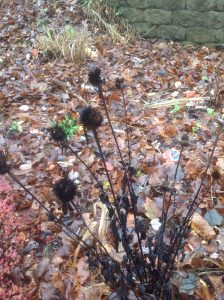
This year I am trying something new. I am following the advice of Xerces, (the national pollinator protection non-profit) and well-known author Doug Tallamy, Professor of Agriculture and Natural Resources in the Department of Entomology and Wildlife Ecology at the University of Delaware and not doing the scrupulous fall garden cleanup I have been practicing […]
Tomato Late Blight

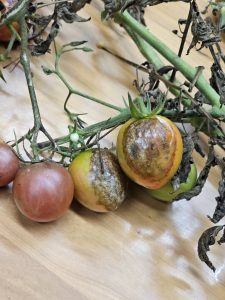
Tomato late blight was confirmed this week on foliar and fruit tissues from a plant sample submitted from the western edge of Dane County. This is the first confirmation of late blight on tomato or potato in Wisconsin for 2024. Originally the late blight was thought to be a possible sunscald as the symptoms on tomato […]

Canning Season in Dane County

Autumn is just around the corner, which means for many residents of Dane County, it’s the season to start thinking about preserving those fruits and veggies! That makes now a good time to remind everyone about the resources we can provide about Food Safety and Preservation. Dane County Extension also provides pressure canner testing for […]

Natives and Nativars

‘Native’ is a bit of a slippery term, though you hear it used on a regular basis in reference to plants. But the question is, “Native in reference to where?”. When talking about ‘native’ plants, someone might be referring to a U.S. native or East coast native, but not necessarily a Midwest native or Wisconsin […]

It’s June in the Teaching Garden

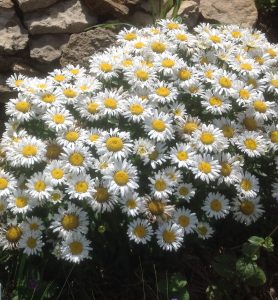
This year, unlike last year, we have certainly not had to worry about watering! Everything is huge and luxuriant (unfortunately, this includes mosquitoes in the evening). So many things are flowering that I had trouble choosing what to cover. I decided that I would focus on ‘daisies’ since we have several cultivars (this word is […]

Mid-May in the Teaching Garden

A lot of great plants are in bloom here at the Teaching Garden! Native spring wildflowers, non-native perennials, groundcovers, and various trees and shrubs are all blooming! Here are some of the highlights. Native Wisconsin Spring Wildflowers Two native plants that grow in open woodlands, meadows or prairies are shooting star Shooting Star plants (also […]

It’s Spring in the Teaching Garden!

It’s a great time of year. Bulbs, native spring wildflowers, and various trees and shrubs are all blooming! Here are some of the highlights over the past 3 to 4 weeks. Bulbs We have a couple of late-season daffodils still blooming. ‘Palmares’ is a member of Division 11 of the Narcissus genus. That division has […]

Return to Winter (Briefly)

If you are feeling a bit of weather whiplash, you are not alone. Some plants have leafed out or are blooming a few weeks earlier than usual due to the record-breaking warm weather in February and early March. Now, Mother Nature as she often does, is doing a bit of a course correction and we […]

It’s Time to Start Seeds

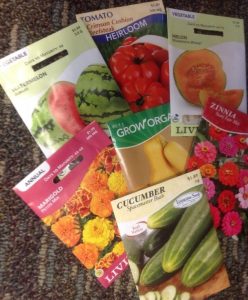
The 3rd-4th week in March is a great time to start seeds in the southern half of the state. Starting warm-season crops like tomatoes and peppers inside like we will do in the workshop is recommended, so they bear fruit in a timely fashion since our growing season is too short for them to be […]

Check Your Ash Trees for Signs of Emerald Ash Borer This Winter

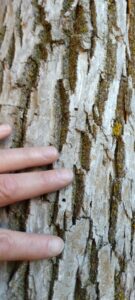
Woodpecker flecking on ash bark Photo credit Lisa Johnson Woodpecker Flecking on Ash Photo credit Wisconsin DNR Even before humans are able to detect signs of emerald ash borer in ash trees, woodpeckers know the larvae are there, feeding just under the tree’s bark. Woodpecker damage, called “flecking,” occurs when birds peck away the top […]

Salt Awareness Week

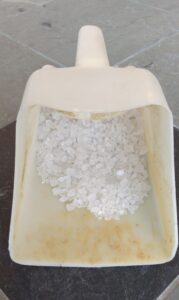
This past week was Winter Salt Awareness week. Allison Madison, Program Manager for Wisconsin SaltWIse hosted an excellent series of YouTube-livestreamed mini-lectures on various topics around winter de-icing salt use. To view the series, visit SaltWISe Winter Salt Awareness week. With the recent snowfall, you may have used de-icing salt products to keep driveways and […]

Tree Planting Handout

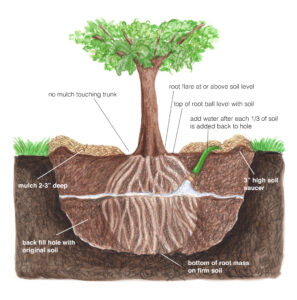
One of the tools we have for climate resilience and mitigating the effects of urban heat islands in cities is planting more large-scale trees. This two-sided publication from Dane County Extension Horticulture and the Tree Canopy Collaborative illustrates the steps in planting a tree, whether it is in a pot, bare root, or has the […]