

Planning for Action: Goals and Strategies
The analysis of production, consumption and infrastructure, combined with extensive community input, led to the development of seven goals for areas of food system improvement:
Within these goals, unique strategies and actions provide a roadmap for the future. These strategic recommendations are intended to align individual and organizational strategies, maximize collective impact, and secure the funding, programming, and policy changes necessary to achieve a shared vision. These actions build off of many years of prior food systems efforts in Dane County. With this plan, new collaborations, partnerships, and connections will emerge in our community that inspire even more action and innovation.
Implementation of this plan will occur through multiple pathways:
Through the embedding of these recommendations into the daily work of government agencies, nonprofit organizations, and private businesses that make up the food system workforce of our community.
Through coordinated efforts to track and monitor progress by the Project Team and local food councils, who will in turn be held accountable by key food system organizations and advocates.
Through members of the community lifting up components of the work and bringing it to life.
Individual activity tracking will be developed as part of project implementation, and examined in connection with key data like food insecurity rate (or similar concepts), farm production metrics, and measures of grocery and retail access.
How Can Community Stakeholders Carry Out This Plan?
There are many potential users for this plan who can help implement the recommendations within:
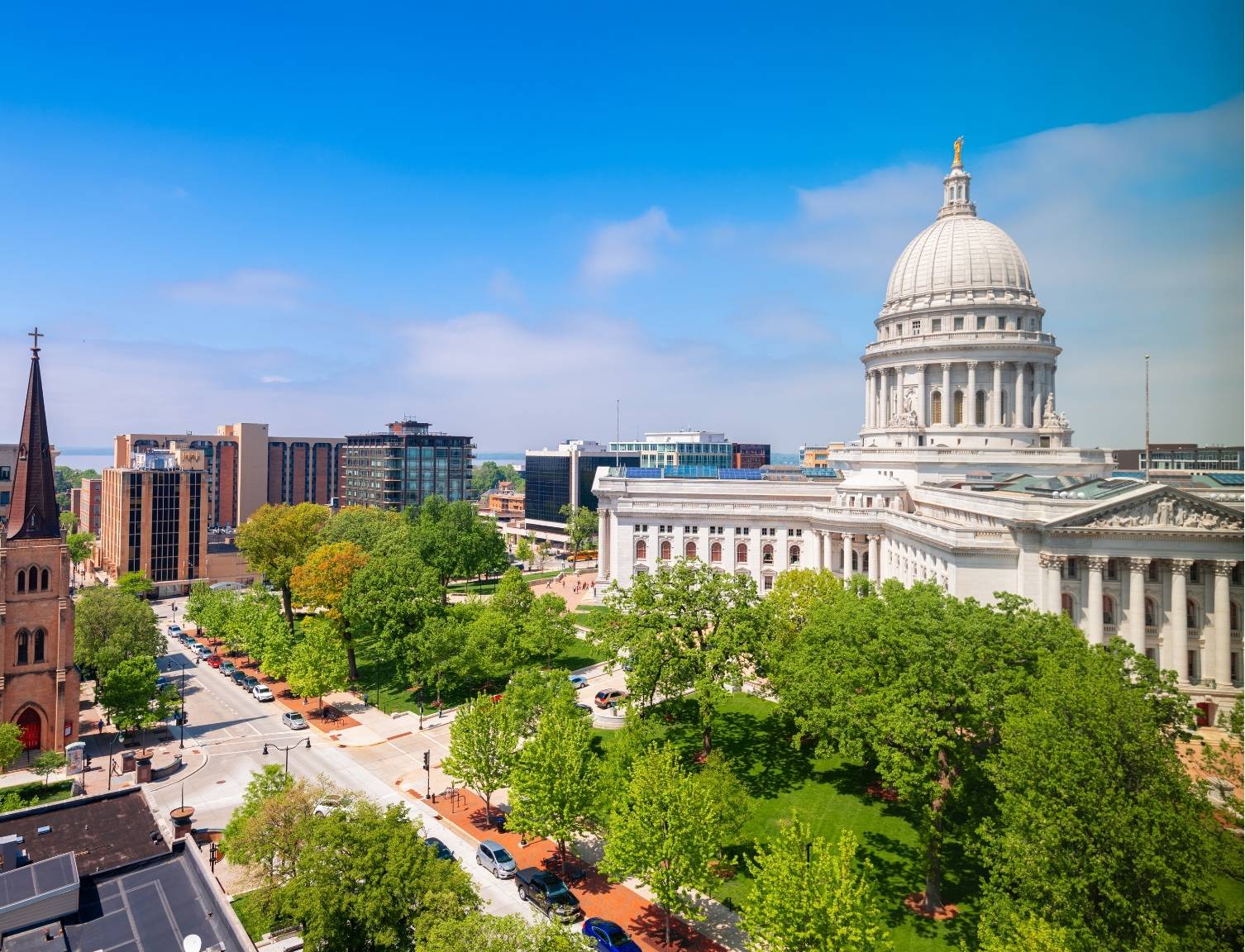
Elected Officials
Elected officials who can help change policy and invest resources
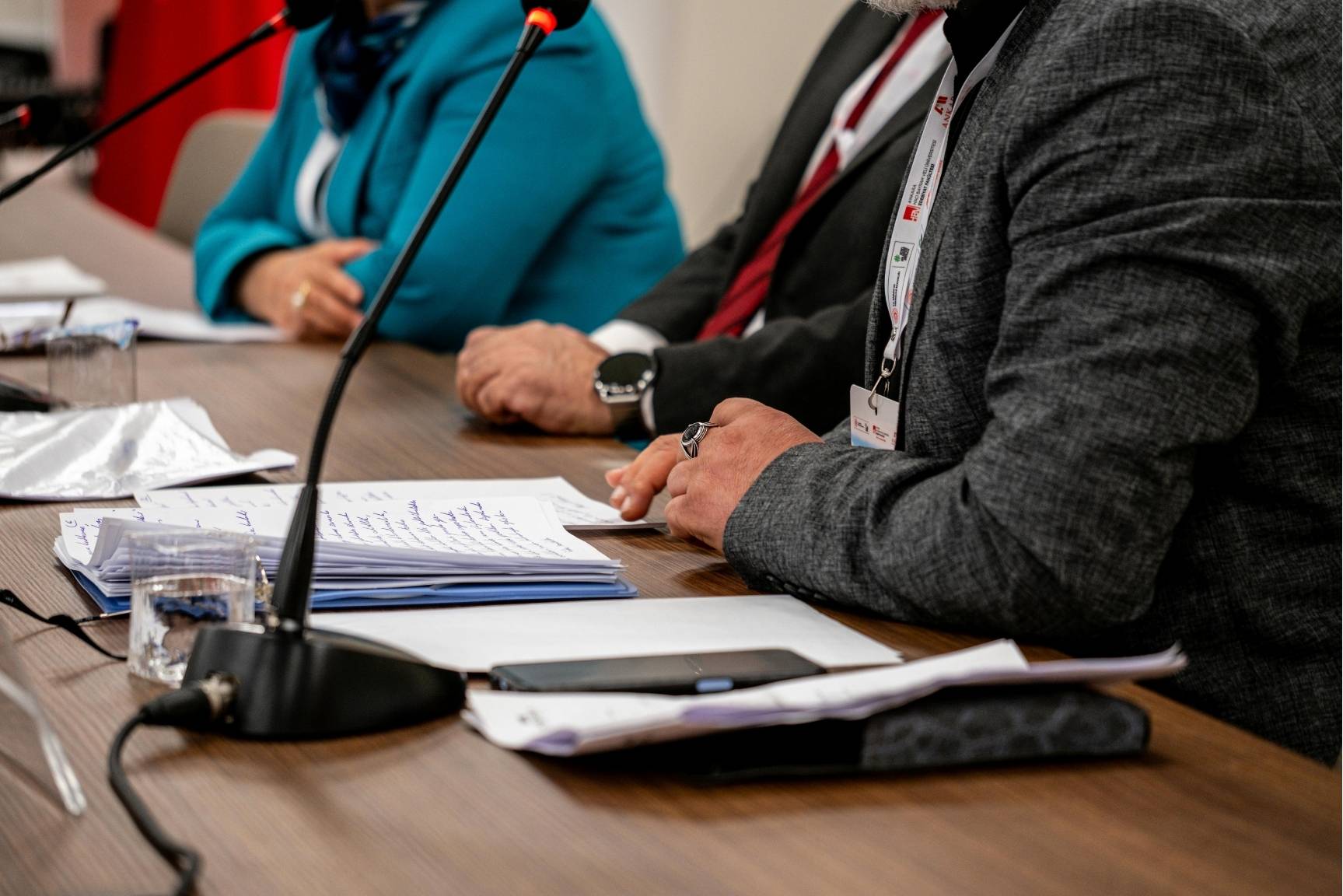
Local Government Staff
Local government staff for Dane County and its municipalities that can implement programs and planning activities across government departments

Community Organizations
Non-governmental community organizations and collectives that organize our community efforts

Educational Entities
Educational entities from K-12 to higher education that can play a role in research and education about food systems and skills
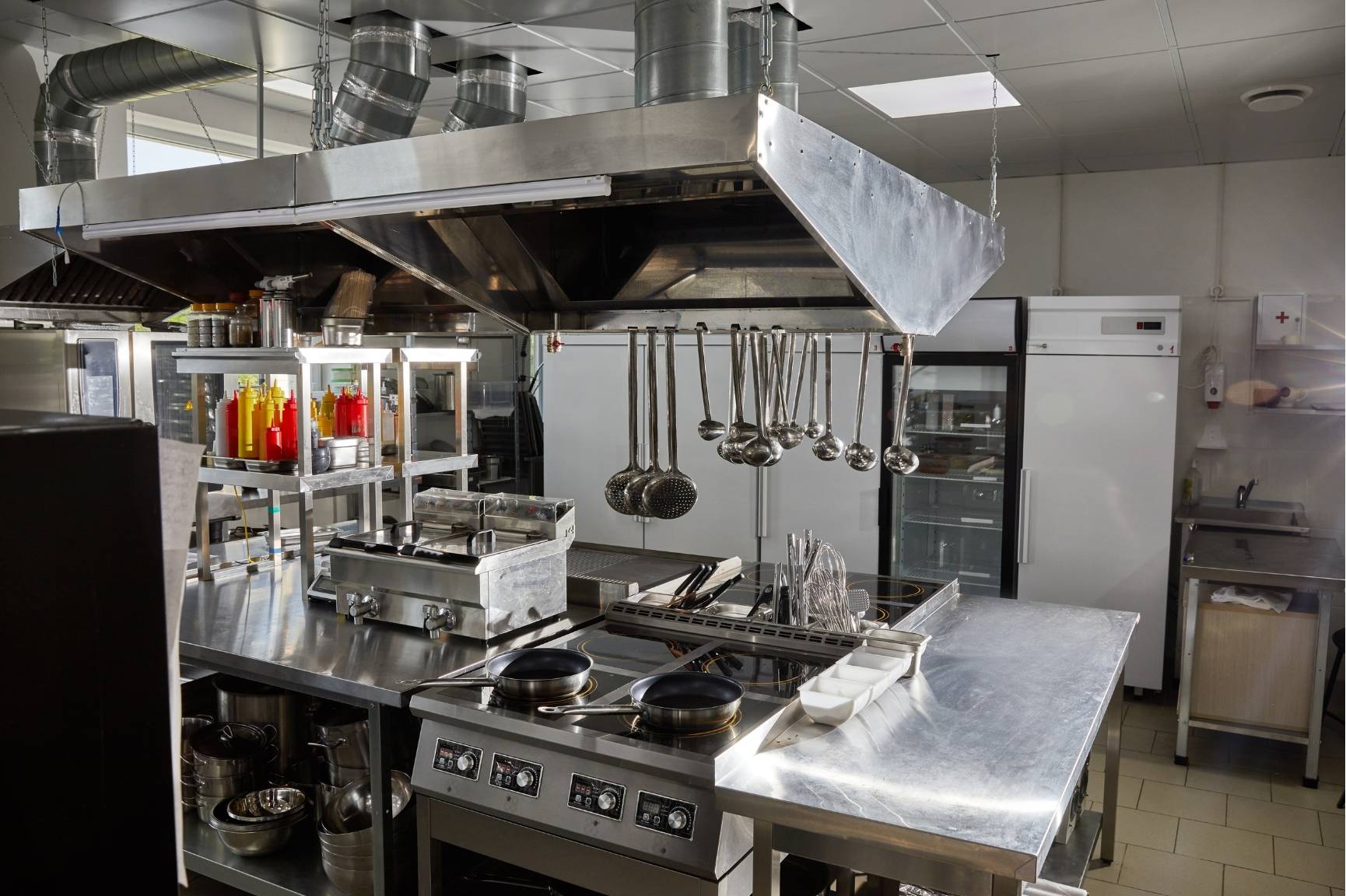
Food Businesses
Food businesses that make up the fabric of our local economy
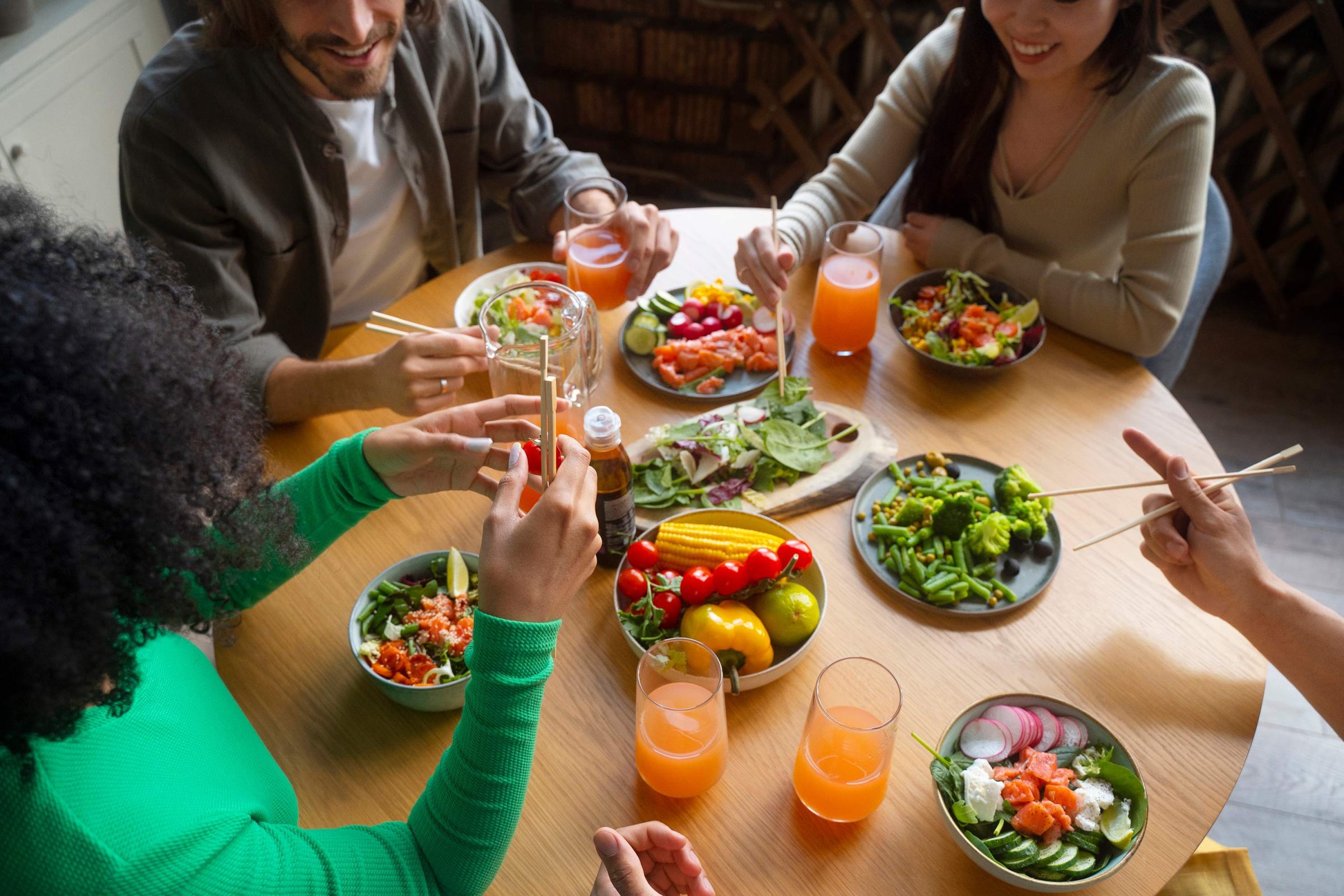
Consumers of Food
Consumers of food—that is, all of us—have experiences with the food system as eaters. Our preferences and needs create the demand that shapes what is produced and sold.